

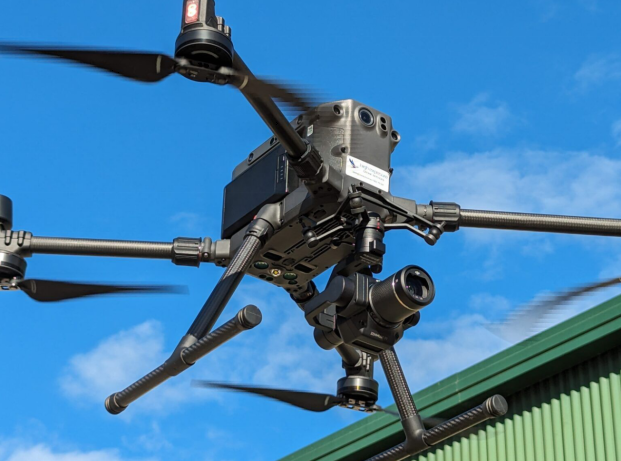
The way property assessments are conducted has undergone a significant shift in recent years, with technology taking the lead in providing safer, faster, and more detailed inspection methods. One of the most impactful advancements has been the use of drones for building and roof inspections. Traditional methods involving ladders, scaffolding, or even helicopters are increasingly being replaced by high-resolution, drone-enabled alternatives that offer unmatched efficiency and accuracy. Let’s explore how drone inspections are revolutionising the field of property assessment.
Enhanced Safety for Inspectors and Occupants
One of the biggest advantages of drone inspections is the increased level of safety they offer. Manual inspections of high or difficult-to-reach roofs often involve working at great heights, which poses a significant risk of falls or injuries. With a drone roof inspection, inspectors can capture detailed visuals without ever leaving the ground. This reduces liability, ensures compliance with workplace safety regulations, and protects both the inspection team and the building’s occupants.
Superior Data Collection and Documentation
Drones are equipped with high-definition cameras and advanced sensors, enabling them to capture images and videos that reveal even the smallest cracks, leaks, or other defects. This visual data is often more precise than what the human eye can detect during a traditional inspection. In addition, drones can collect thermal imaging and 3D mapping data, offering a more comprehensive understanding of structural health. These capabilities make a drone building inspection ideal for both initial assessments and ongoing maintenance planning.
Time Efficiency and Cost Savings
Drone inspections dramatically reduce the time required for both setup and execution. Setting up scaffolding or access platforms can take hours or even days, while a drone can be deployed within minutes. This speed translates to lower labour costs and reduced downtime for businesses or residents. Furthermore, the ability to quickly revisit or update inspections using the same drone flight paths ensures consistency and saves on repeat site visits.
Access to Difficult or Hazardous Areas
Certain parts of a building—such as steep roofs, tall facades, or confined spaces—can be difficult or dangerous to access manually. Drones excel in these scenarios, reaching angles and altitudes that would be challenging or impossible for inspectors to view otherwise. Whether assessing a towering commercial structure or a remote industrial site, drones provide a level of access that broadens the scope of what can be inspected, all while keeping human personnel safely on the ground.
Improved Reporting and Transparency
Thanks to GPS integration and real-time video streaming, drone inspections offer immediate feedback and traceability. Reports can be generated with embedded visuals, annotated findings, and flight logs, providing transparency to stakeholders such as property owners, insurance companies, and maintenance crews. These visual reports not only enhance understanding but also serve as valuable records for future reference or dispute resolution.
Environmentally Friendly Approach
Using drones for inspections also offers an eco-friendly advantage. With no need for fuel-heavy machinery like cranes or scaffolding trucks, drone operations generate a smaller carbon footprint. Additionally, drones minimize the physical impact on a property, especially in delicate environments like heritage buildings or green roofs, where heavy foot traffic can cause damage.
Versatile Applications Beyond Roofing
While widely used for roof assessments, drone inspections are also highly effective for a variety of other structures including bridges, towers, solar panels, chimneys, and facades. Their versatility makes them a smart investment for building managers, developers, and infrastructure planners who require a reliable method for ongoing structural health monitoring.
Conclusion: The Future of Inspections Is in the Sky
As technology continues to reshape industries, drone inspections have emerged as a powerful tool for safer, quicker, and more comprehensive roof and building assessments. For property owners and managers looking to maximise accuracy while reducing time and risk, partnering with a professional drone service provider is a strategic decision. High Exposure stands out in this space by delivering cutting-edge aerial inspection solutions tailored to diverse structural needs. Their commitment to quality, safety, and innovation ensures that clients receive detailed insights with minimal disruption to their operations.